
Destined To Travel LLC. Enjoy the journey!Visit destined-to-travel.com (opens in new tab)

Destined To Travel LLC presents

Tanzania 2027

Your First Safari · November 2027 · 9 days
Hosted by Kay Trotman, “Safari Kay”

By invitation · for first-time safari goers

32 days until the $100 booking fee is due (Dec 1, 2026)

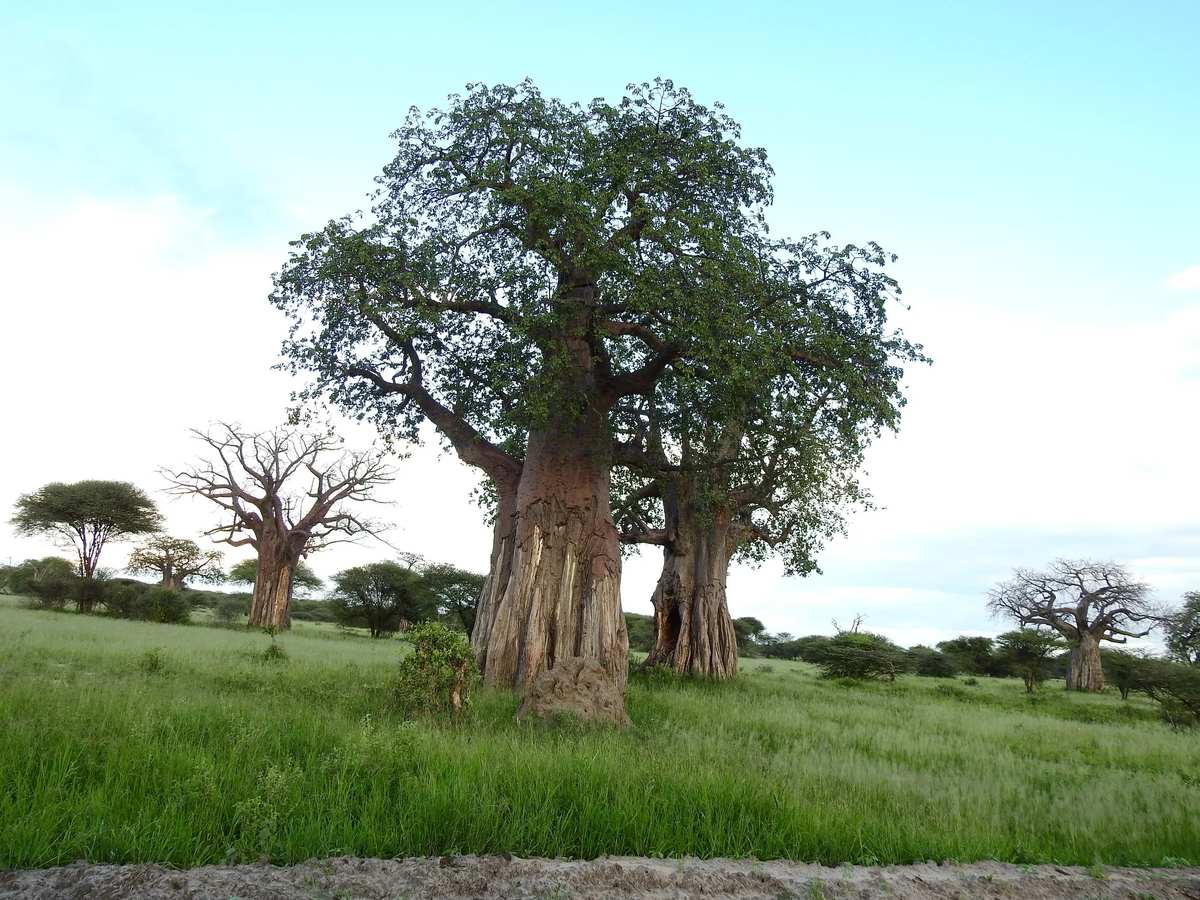
Large baobab trees in leaf rising above green grassland, with smaller baobabs in the distance under a pale blue sky.
Photo: Destined To Travel

The trip at a glance

Trip
Tanzania 2027 – Your First Safari
When
November 2027, 9 days. Exact dates: Ask Kay
Who it’s for
First-time safari goers. A small, personal group of family and friends, 25–30 travelers.
Price
Not to exceed $5,500 per person, excluding international airfare
What to expect
Incredible wildlife, breathtaking landscapes, people, culture and connection
Itinerary, parks, lodging, inclusions
Ask Kay Kay will share the final details with travelers.

Source: Destined To Travel’s “Tanzania 2027 – Your First Safari” flyer.

How reserving works

Payments are per person and non-refundable.

  1. Dec 12026$100 booking feeSeparate; not applied toward the safari cost
  2. Dec 152026$500 deposit
  3. Jan 152027Another $500
  4. Sep 12027Final payment, no later thanAmount: Ask Kay

If there aren’t enough sign-ups for the trip to operate, as determined by the organizer, all monies are returned.

Source: the flyer.

Meet your host

Kay Trotman, known as “Safari Kay,” is the founder of Destined To Travel. According to her website, she has led more than 75 groups, has traveled between the U.S. and Africa more than 100 times, and was voted Best Small Business of the Year by the Eastvale Chamber of Commerce. She specializes in safaris to East Africa, especially Tanzania.

“Every African Safari is like a story in a book, a page to be read over and over, each time offering new perspectives.”

Source: Destined To Travel: Meet the Team (opens in new tab) · Home page (opens in new tab)

Email KayReserve your spotRead more on the blog (opens in new tab)

What to expect on your first safari

Safaris are early to rise, with a long rest in the middle of the day. Tap a topic below. General guidance comes from Kay’s website and the linked sources, and anything specific to this trip is marked Ask Kay.

A typical safari day
  • About 5:30–6:00 · Wake-upCoffee or tea is brought to your room or tent.
  • From about 6:00 · Morning game drivePark gates open at 6:00. The first hours are cool, and they are the best time to see predators.
  • About 9:30–11:00 · BreakfastBack at camp, or a packed breakfast in the bush.
  • Midday · Lunch and restIt’s hot and animals shelter in the shade, so most travelers swim, nap, read or watch from the veranda.
  • From about 3:30 · Afternoon game driveSofter light and more animal activity. Park rules have vehicles back before the gates close around 6:00, often after a sundown drink.
  • Evening · DinnerDinner is typically around 7:30, then an early night.

Some days are full-day drives with a picnic lunch, which can run 8 to 10 hours, as for the Serengeti or the Ngorongoro Crater floor. Many people find the early starts easier after two days.

Sources: Get Safari Tours: what to expect (opens in new tab) · Makasa: a day on safari (opens in new tab). Times vary by lodge and park. This trip’s daily schedule: Ask Kay

Your vehicle and your group
  • Kay’s FAQ describes a 4-wheel-drive, all-terrain vehicle with an open top. It seats 6, plus extra seating next to the driver.
  • Kay’s FAQ says her drivers are professional and speak and understand English impeccably.
  • The flyer expects 25 to 30 people, family and friends. At 6 seats per vehicle, that’s several vehicles traveling together.

Sources: Destined To Travel FAQ (opens in new tab) · the flyer. How the group is split between vehicles: Ask Kay

Where you’ll stay
  • Kay’s accommodations range from tented camps to lodges to cottages.
  • In some remote tented camps there’s no running water or electricity inside the tent.

Source: Destined To Travel FAQ (opens in new tab). Which lodges or camps this trip uses, and room sharing: Ask Kay

In November

  • Short rains. November and December are the “short rains,” so expect showers, often brief, and greener landscapes. Kay’s FAQ (opens in new tab) · TANAPA (opens in new tab)
  • Off-season feel. The Destined To Travel blog says November is one of the months it typically books, and that off-season trips are often less crowded and less expensive. The short rains usually last about a month, their timing is unpredictable, and the blog says they rarely get in the way of a safari with a safari. Blog: Seasonal Climates (opens in new tab)
  • Altitude matters. Lower parks such as Manyara, Tarangire, Ngorongoro Crater and the Serengeti are slightly warmer than Arusha, especially at night. The Ngorongoro crater rim, at about 2,300 m, is very cold in the mornings and evenings. Blog: Seasonal Climates (opens in new tab)
  • The migration. Herds are usually in the northern Serengeti in October–November and return to the southern plains around Ndutu in late November, triggered by the short rains. Timing varies from year to year. Serengeti.com (opens in new tab)

November weather

Average November weather in Arusha and Seronera, Serengeti
MeasureArushaSerengeti (Seronera)
Daytime high28 °C / 82 °F27 °C / 81 °F
Night low16 °C / 61 °F15 °C / 59 °F
Rain126 mm / 5.0 in100 mm / 3.9 in
Days with rain1215

Long-term climate averages (CRU/University of East Anglia, UK Met Office, KNMI) via Weather2Travel: Arusha (opens in new tab) and Seronera (opens in new tab). These are normals, not a forecast.

Health and comfort

Mobility, medical needs or traveling with children: Ask Kay

Staying connected
  • Mobile signal in the Serengeti is patchy. It is better near hubs such as Seronera, and often missing on game drives and in remote areas.
  • Most lodges and camps have Wi-Fi in common areas such as the lounge or main tent, often by satellite and slow. It suits messages and email, not streaming or video calls. Mobile camps usually have none.
  • Download offline maps and tell family that replies may take hours.

Sources: Safaris Tanzania: staying connected (opens in new tab) · Wigoo: signal in the Serengeti (opens in new tab). Wi-Fi and signal at this trip’s lodges: Ask Kay

Tipping customs
  • Tipping is customary on safari. Typical guidance for a driver-guide is $15 to $25 per person per day.
  • Lodge and camp staff are usually tipped separately.

Source: Get Safari Tours: safari tipping (opens in new tab). How tips are handled for this group: Ask Kay

The pace of a 9-day trip
  • Kay’s sample itinerary has an arrival day, a shopping and culture day, then about two nights at each stop. Next come Tarangire, a lodge near Lake Manyara and the Serengeti, plus a comfortable last night before the farewell.
  • Expect early starts on most days, a rest in the middle of the day, and a change of lodge every couple of nights.
  • The sample runs 10 days and this trip is 9, so the final route will differ.

Source: the sample on Kay’s Getting Started page (opens in new tab). The final route and day-by-day plan: Ask Kay

A traveler’s mindset
  • Don’t expect things to be as they are at home. You’re there to find them different.
  • Don’t take things too seriously, since a carefree mind makes a fine tour.
  • Pack about half the clothes you think you need, and keep track of your passport at all times.
  • Be punctual for your fellow travelers, and remember you’re a guest in another country.

Paraphrased from “The Ten Commandments of the African Safari” on the Destined To Travel blog (opens in new tab).

The Big Five

The Big Five are the buffalo, rhinoceros, elephant, leopard and lion. Giraffe, hippo and cheetah are big animals too, but aren’t part of the Big Five.

Source: Blog: Who are these African Safari Travelers? (opens in new tab). Which animals you’ll see can’t be promised.

Example itinerary

A sample itinerary from Kay’s website tap to open
  • Day 1 · Arrive in ArushaThe gateway to your safari. Arusha is lush and green, with a temperate climate, and is the starting point of many safaris.
  • Day 2 · Shopping and a visit to a local children’s homeExplore crafts and artwork, and see Tanzanite, which is mined only in Tanzania. A visit to a local children’s home is an option.
  • Days 3–4 · Tarangire National ParkHome to some of the largest baobab trees, with large elephant herds.
  • Days 5–6 · Staying at a country lodge near Lake ManyaraA scenic stretch along the Rift Valley escarpment, with forest, baboons and blue monkeys.
  • Days 7–8 · SerengetiOne of the oldest ecosystems on earth, known for its migrating herds.
  • Day 9 · A last night in KaratuKay’s sample describes a last night in luxury, with a pool.
  • Day 10 · Last-minute shopping and a farewell lunchThis sample runs 10 days; the November 2027 trip is 9 days.

Source: the “Sample Itinerary” on Kay’s Getting Started page (opens in new tab). Kay says her safaris are customized, so yours will differ.

What each stop is known for

Which parks are on the November 2027 trip: Ask Kay

What each stop is known for

Which parks are on the November 2027 trip: Ask Kay

What it could cost

A rough budget per person, with the total for two people underneath each line. Cost estimates reviewed by Kay.

  • Safari price FlyerThe organizer’s “not to exceed” price. It does not include international airfare.
    up to $5,500for two: up to $11,000
  • International flights EstimateA published 2026 planning range for round trips from the U.S. (its basis is a Los Angeles round trip). Fares depend on your departure city and dates. Source: Safari-TZ flights guide (opens in new tab)
    $1,100–$1,600for two: $2,200–$3,200
  • Tanzania eVisa Estimate$100 each, multiple entry. Official eVisa portal (opens in new tab)
    $100for two: $200
  • Inbound health insurance Estimate$44 each, required for entry since Oct 1, 2026. Source: Tanzanian Embassy notice (opens in new tab)
    $44for two: $88
  • Your own travel insurance EstimateTypically 4–10% of prepaid, non-refundable costs, applied here to the safari price plus airfare ($6,600–$7,100). Optional but worth a look. Source: Squaremouth (opens in new tab)
    $264–$710for two: $528–$1,420
  • Tips Estimate$15 to $25 per person per day, assuming about 8 days with a guide. Lodge staff tips are not included. Source: Get Safari Tours (opens in new tab)
    $120–$200for two: $240–$400
  • Malaria pills EstimateOne 30-tablet supply of generic atovaquone-proguanil with discount coupons. Your doctor may choose a different drug. GoodRx (opens in new tab) · SingleCare (opens in new tab)
    $16–$80for two: $32–$160
  • Vaccines and gearVaries by person and insurance, so no figure is given. Ask your clinic.
    Not estimated
  • Rough all-inIf the safari reaches its upper price. The sum of the lines above, excluding vaccines and gear.
    ≈ $7,150–$8,250for two: ≈ $14,300–$16,500

Safari price and payment dates come from the flyer. Everything marked “Estimate” comes from the linked source, can change, and is not a quote. Also Ask Kay: what the safari price covers, and whether any extras are charged separately.

Getting ready

Travel advisory

The U.S. State Department lists Tanzania at Level 2: Exercise Increased Caution (issued Oct 16, 2026). Levels can change, so check the official page before you book.

Source: travel.state.gov: Tanzania (opens in new tab). That site blocks automated checks, so the level is as shown in search listings on Oct 30, 2026.

Tick things off as you go. Ticks stay on your phone.

Packing basics
  • Neutral colors such as khaki, tan or olive. Avoid dark blue, black and camouflage. Kay’s FAQ says there are limits on specific colors.
  • Layers, plus a rain shell, hat, sunscreen, insect repellent and closed shoes.
  • Binoculars, and a camera with spare batteries.
  • Kay offers a free packing list on her website. Getting Started page (opens in new tab)

Sources: Safari packing list (opens in new tab) · Kay’s FAQ (opens in new tab)

Still to confirm with Kay
  • Luggage limits Ask Kay
  • Tips: how much and when Ask Kay
  • What’s included in the price Ask Kay
  • Getting to Arusha: arrival plans Ask Kay

First-timer FAQ

36 common questions, grouped by topic. Tap a topic to open it, or search. Answers come from the flyer, Kay’s website and official or reputable sources. Anything that depends on this trip says Ask Kay

36 questions

Ask Kay a question

Booking & payments3 questions
How much does it cost, and what’s included?

The safari price will not exceed $5,500 per person, excluding international airfare. The $100 booking fee is separate and isn’t applied toward the safari cost. For a rough all-in budget (flights, eVisa, insurance, tips and more), see Cost.

Exactly what the price covers, such as lodging, meals, park fees, drinks, transfers and any flights inside Tanzania: Ask Kay

Source: the flyer

When do I pay, and what if I need to cancel?

$100 booking fee by Dec 1, 2026; $500 deposit by Dec 15, 2026; another $500 by Jan 15, 2027; final payment no later than Sep 1, 2027. All payments are non-refundable. If too few people sign up for the trip to operate, as determined by the organizer, all monies are returned.

Optional trip-cancellation insurance exists. Coverage and exclusions vary by policy, so read the terms. Kay’s website lists providers. Whether a spot can be transferred to someone else: Ask Kay

Sources: the flyer · Kay’s insurance page (opens in new tab)

How do I reserve my spot?

Email Kay to say you intend to participate. If you’re not on the invitation list, message Kay and she’ll take it from there. The first step is the $100 booking fee, due Dec 1, 2026. How to pay it: Ask Kay

Go to Reserve

Source: the flyer

Who’s going4 questions
Is this my first time? Is that OK?

Yes. “Tanzania 2027 – Your First Safari” is organized for first-time safari goers, in a small, personal group of family and friends (25–30 travelers).

Kay’s blog suggests a traveler’s mindset: expect things to be different from home, and don’t take things too seriously. Kay’s website also says she hosts free in-person presentations in Eastvale, CA; the next date is listed as TBD.

Sources: the flyer · Blog: Ten Commandments (opens in new tab) · Kay’s Getting Started page (opens in new tab)

Can I come on my own? Will I need a roommate or pay a single supplement?

The flyer describes a small, personal group of family and friends. It doesn’t say how solo travelers or room-sharing are handled. Kay’s website lists a separate “single rate” on another 2027 trip, so it’s worth asking whether this trip has one. The price for a single room, and whether Kay pairs roommates: Ask Kay

Sources: the flyer · Kay’s upcoming safaris page (opens in new tab)

Is there an age limit? Can children come?

Neither the flyer nor Kay’s FAQ lists a minimum age. Some safari camps set their own minimum ages (one guide notes 5 or 6 at small, exclusive camps), so the lodges matter. Every traveler, including children, needs their own eVisa application. Age rules for this trip: Ask Kay

Sources: the flyer · Get Safari Tours: what to expect (opens in new tab) · Tanzania Immigration: eVisa guidelines (opens in new tab)

How fit do I need to be? What about limited mobility?

A safari is mostly seated: you climb into a tall 4x4, ride on bumpy tracks, and stop at viewpoints. One guide says only walking safaris ask for moderate fitness. Kay’s FAQ says her vehicles have extra seating next to the driver and that her trips make frequent comfort stops.

Long driving days, stairs, or arrangements for a wheelchair or other mobility needs on this trip: Ask Kay Tell Kay about medical needs early.

Sources: Get Safari Tours: what to expect (opens in new tab) · Kay’s FAQ (opens in new tab)

Travel & arrival3 questions
Which airport do I fly into? Will I have layovers?

For northern Tanzania (Tarangire, Manyara, Ngorongoro, Serengeti), the usual airport is Kilimanjaro International (JRO), about an hour from Arusha. There are no nonstop U.S. flights. Expect one connection, commonly via Doha, Amsterdam, Istanbul or Addis Ababa, and roughly 18–24 hours door to door. The guide advises one ticket for the whole journey and comfortable connection times.

This trip’s arrival airport, dates and any group flights: Ask Kay Check with Kay before you buy flights. Kay’s sample itinerary (example only) starts with arrival in Arusha.

Sources: Safari-Tz: flights from the USA (opens in new tab) · Kay’s Getting Started page (opens in new tab)

Who meets me when I arrive?

How airport pickup works on this trip: Ask Kay

In general, a guide describes arrival as immigration with your eVisa grant notice ready, baggage, then a representative with a name board and a transfer toward Arusha. Many long-haul flights land in the evening. It suggests packing your first 24–48 hours of essentials in your carry-on, in case a bag is delayed.

Source: Safari-Tz: arrival day at JRO (opens in new tab)

How do I handle jet lag?

CDC says jet lag is a temporary sleep problem that can affect anyone crossing several time zones. Its tips: shift your bedtime a little in the days before you go, follow the sleep and wake times of your destination when you arrive, stay in well-lit areas by day, eat small meals, drink water, avoid alcohol, use caffeine only earlier in the day, and keep naps to 15–20 minutes.

Arrival day and the first night’s plan on this trip: Ask Kay

Source: CDC: Jet lag (opens in new tab)

Documents4 questions
How valid must my passport be?

Tanzania Immigration says your passport must be valid for at least six months and have at least one unused visa page. You’ll also need to show a return ticket on arrival. Keep your passport, eVisa grant notice, return ticket and insurance proof together in your carry-on, with copies kept separately. Kay’s blog tip: always know where your passport is.

Sources: Tanzania Immigration: eVisa guidelines (opens in new tab) · Blog: Ten Commandments (opens in new tab)

Do I need a visa, and how do I get one?

Yes. For tourism, U.S. passport holders apply for the Multiple Entry Visa: $100, valid one year, with a maximum stay of three months. Tanzania Immigration recommends applying online, only through its official site. Processing is within about ten days, every traveler including minors needs their own application, and the grant notice is not final authority to enter. One visa covers mainland Tanzania and Zanzibar. Kay’s FAQ says a visa can be obtained in advance or on entry. Rules may change without notice, and other passports should check the portal.

Sources: Tanzania Immigration: eVisa guidelines (opens in new tab) · Kay’s FAQ (opens in new tab)

Is inbound travel insurance required?

Since Oct 1, 2026, foreign visitors entering mainland Tanzania must buy inbound travel insurance from NIC, or from ZIC if entering through Zanzibar. It covers medical emergencies, is valid up to 92 days, and costs $44 per visitor. Purchase details are on the NIC and ZIC websites named in the notice.

This is separate from your own insurance, and Australia’s government notes its coverage is limited. See “What other insurance should I get?” below.

Sources: Tanzanian Embassy notice (opens in new tab) · Smartraveller (opens in new tab)

Are there other entry forms or health screening?

Smartraveller (updated Oct 23, 2026) says that, because of an Ebola outbreak in parts of Africa, health screening is in place for travelers from high-risk countries, and all travelers must complete a Traveller’s Health Surveillance Form before departing for Tanzania or on arrival. Entry rules can change at short notice, so check the Tanzania Ministry of Health and your airline before you fly.

Source: Smartraveller: Tanzania (opens in new tab)

Health & safety6 questions
What vaccines do I need?

Ask your doctor or a travel clinic at least a month before you go. Kay’s FAQ recommends discussing Hepatitis A, tetanus and yellow fever. CDC lists routine vaccines, plus Hepatitis A and typhoid for most travelers; Hepatitis B for those under 60; and a polio booster, rabies and cholera to consider in some cases. Your clinic decides what’s right for your health history.

Sources: Kay’s FAQ (opens in new tab) · CDC: Tanzania (opens in new tab)

Do I need malaria pills? What about mosquitoes?

Kay’s FAQ says malaria tablets are always highly recommended. CDC recommends prevention below 1,800 m, with a prescription such as atovaquone-proguanil, doxycycline, mefloquine or tafenoquine. You start before you go and continue during and after the trip. Use repellent with 20% DEET or more, wear long sleeves, and sleep under a bed net if offered. See a doctor for any fever for up to a year after travel. See Cost for a rough pill budget.

Sources: Kay’s FAQ (opens in new tab) · CDC: Tanzania (opens in new tab)

Do I need a yellow fever certificate, especially with layovers?

CDC says yellow fever vaccination is generally not recommended for Tanzania itself, and no certificate is required when flying directly from the U.S. A certificate is required for travelers aged 1 or older arriving from a yellow fever risk country, including layovers or transits of more than 12 hours in one. Check the countries on your route against CDC’s list. Kay’s FAQ still recommends discussing yellow fever vaccine with your doctor.

Sources: CDC: Tanzania (opens in new tab) · Kay’s FAQ (opens in new tab)

Is the food and water safe?

CDC’s advice: drink bottled (sealed) or treated water, skip ice, avoid raw salads and cut fruit, choose food served steaming hot, and peel fruit yourself. Don’t swim in freshwater lakes or rivers. Kay’s FAQ says her vehicles are stocked with water and other drinks on request.

Sources: CDC: Food and drink (opens in new tab) · CDC: Tanzania (opens in new tab) · Kay’s FAQ (opens in new tab)

What if I get sick or need a medical evacuation? Can I bring my medicines?

Medical facilities are limited, and evacuation can be very expensive, so check that your own policy covers it. Kay’s website lists optional providers, including Medjet for air-medical transport. In an emergency in Tanzania, call 112 (CDC also lists 999). Inbound insurance covers medical emergencies under its own terms.

Carry medicines in their original containers, bring enough for the whole trip, and check with the Tanzanian Embassy that they’re legal. This group’s emergency plan: Ask Kay

Sources: CDC: Tanzania (opens in new tab) · Smartraveller (opens in new tab) · Kay’s insurance page (opens in new tab)

Is Tanzania safe? What’s the travel advisory?

The U.S. State Department lists Tanzania at Level 2: Exercise Increased Caution (issued Oct 16, 2026), citing crime, terrorism, health, unrest and other risks. The Mtwara Region near the Mozambique border is higher, at Level 3. Check the official page before you book, and consider enrolling in STEP.

Kay’s FAQ says it’s as safe to travel to safari destinations as to many places, and that she works with Destination Management Companies who advise on any conflict or threat, with alternative arrangements made if needed. Smartraveller also asks visitors not to post graphic or politically sensitive content online and not to photograph military sites. This trip’s security plan: Ask Kay

Sources: travel.state.gov: Tanzania (opens in new tab) · Kay’s FAQ (opens in new tab) · Smartraveller (opens in new tab)

On safari5 questions
What does a typical day look like?

Days start early. A guide describes a wake-up around 5:30, a morning game drive, breakfast, a long midday rest at camp, an afternoon drive, then dinner. Game drives are allowed in the national parks between 6 am and 6 pm. Some days are full-day drives with a picnic lunch. See Expect for more. This trip’s daily schedule: Ask Kay

Source: Get Safari Tours: what to expect (opens in new tab)

What are the vehicles like? How close do we get to animals?

Kay’s FAQ describes a 4-wheel-drive, all-terrain, open-top vehicle that seats 6, plus extra seating next to the driver. The driver owns and maintains it, and it’s stocked with water and other drinks on request. Her drivers are professional and speak English impeccably. The flyer expects 25–30 travelers, so several vehicles will travel together. Seat arrangements: Ask Kay

Wildlife rules: stay seated, keep your arms inside and your voice down, never feed animals, and stay on the designated tracks.

Sources: Kay’s FAQ (opens in new tab) · Get Safari Tours (opens in new tab) · TANAPA: Serengeti visitor guide (opens in new tab)

Can I use my camera, drone or binoculars?

Kay’s FAQ says her drivers are mindful when guests are photographing. A guide recommends a camera with a good zoom, spare batteries and memory cards, and 8x binoculars, which it calls the single piece of gear that most improves a game drive.

Drones are not allowed in the national parks without special permission, so leave them at home. It’s also illegal to photograph military zones, weapons or personnel.

Sources: Kay’s FAQ (opens in new tab) · Get Safari Tours: packing list (opens in new tab) · TANAPA (opens in new tab) · Smartraveller (opens in new tab)

Are animals guaranteed?

No. Wildlife is wild. Kay’s website says a safari is always filled with surprises and that the photos she shows may not be what you see on yours. The Big Five are buffalo, rhino, elephant, leopard and lion. Rhino is the hardest to spot. Herd movements vary from year to year.

Sources: Kay’s Getting Started page (opens in new tab) · Blog: the Big Five (opens in new tab) · Get Safari Tours (opens in new tab)

What about restrooms on game drives?

Kay’s FAQ says her trips make frequent comfort stops. A guide says stops are usually at picnic sites or ranger posts with flush toilets, with a discreet bush stop on long stretches after the guide checks the area. In camp, Kay’s FAQ says toilets are flush or “camping” style.

Sources: Kay’s FAQ (opens in new tab) · Get Safari Tours (opens in new tab)

Lodging & meals3 questions
Where will we stay?

Kay’s FAQ says her trips use a variety of tented camps, lodges and cottages. In remote tented camps there may be no running water or electricity in the tent. Bucket showers are heated and on demand, but short. Electricity is at a central location. Camps offer flush or “camping” toilets and indoor or attached outdoor showers.

Which camps and lodges this trip uses, and room sharing: Ask Kay

Source: Kay’s FAQ (opens in new tab)

What about dietary needs, meals and alcohol?

Kay’s FAQ says meals are Pan-African cuisine with one “local” dish, and that many camps can accommodate gluten-free, vegan and vegetarian meals. Tell Kay early about any restriction; a guide notes advance notice makes this routine. Allergies and other needs: Ask Kay

Whether alcohol is included in the price, and which drinks are extra: Ask Kay

Sources: Kay’s FAQ (opens in new tab) · Get Safari Tours (opens in new tab)

What about Wi-Fi, charging and laundry?

Mobile signal is patchy, and Wi-Fi is usually in common areas only, often slow. Kay’s FAQ says remote camps have electricity at a central location. Tanzania uses 230 V and Type D or G plugs, so bring an adapter and a power bank. A guide says most lodges and camps offer laundry for a small fee, which lets you pack lighter. Wi-Fi, charging and laundry at this trip’s camps: Ask Kay

Sources: Kay’s FAQ (opens in new tab) · IEC world plugs (opens in new tab) · Safaris Tanzania (opens in new tab) · Get Safari Tours: packing (opens in new tab)

Money3 questions
Can I use a credit card, or do I need cash?

Bring both. Most lodges and higher-end shops accept cards, Visa most widely, with surcharges that one guide puts at about 5–7.5%. American Express is accepted in only a few places, and some small camps are cash only. ATMs are mainly in larger cities, so withdraw what you need beforehand and only use ATMs inside a bank. Tell your bank your travel dates. Souvenir shops: small cash is handy, though upscale stores take cards. Whether this trip has shopping stops: Ask Kay

The currency guide was last updated in 2022, so check current conditions.

Sources: Mister Safari: Tanzania currency (opens in new tab) · Smartraveller (opens in new tab)

Which U.S. dollar bills are accepted?

Bring clean, undamaged bills printed in 2009 or later. Mister Safari says dollar notes printed before 2009 are usually not accepted, and that many shops refuse 2006 or older. Carry small denominations, such as $1, $5, $10 and $20, for tips and small purchases.

Sources: Mister Safari: Tanzania currency (opens in new tab) · Get Safari Tours: packing (opens in new tab)

How much should I tip, and when?

Tipping is customary. Typical guidance for a driver-guide is $15 to $25 per person per day, in cash. Lodge staff tips are separate. How tips are handled for this group, and whether tips are pooled: Ask Kay See Cost for a rough tip budget.

Source: Get Safari Tours: safari tipping (opens in new tab)

Packing3 questions
What are the luggage limits?

Pack a soft-sided duffel. If the trip includes small-aircraft flights between parks, carriers typically allow about 15 kg (33 lb) per person in a soft bag, with hand luggage and camera gear included. Hard suitcases may not fit. Whether this trip uses bush flights, and the exact limit: Ask Kay Otherwise your international airline’s rules apply.

Sources: Serengeti.com: flights (opens in new tab) · Safari-Tz: the 15 kg rule (opens in new tab)

What colors should I avoid?

Kay’s FAQ says dress is extremely casual, with limits on specific colors that she details in the pre-safari information. As a guide: stick to khaki, tan, olive or brown. Avoid black and dark blue, which attract tsetse flies, bright colors, and camouflage, which is illegal for civilians in Tanzania. White shows dust. In Zanzibar, dress more conservatively.

Sources: Kay’s FAQ (opens in new tab) · Get Safari Tours: packing (opens in new tab) · Smartraveller (opens in new tab)

Can I pack plastic bags?

No. All plastic carrier bags are banned in mainland Tanzania, including in luggage, and visitors are advised not to pack them. Small Ziploc-style toiletry bags are permitted. Use cloth bags or packing cubes instead.

Sources: Tanzanian Embassy notice (opens in new tab) · Smartraveller (opens in new tab)

Extras2 questions
Can I add Zanzibar, a balloon safari or extra days?

Whether this trip offers add-ons or extensions, and their price: Ask Kay

Useful to know: one Tanzania eVisa covers mainland and Zanzibar. If you enter through Zanzibar, inbound insurance comes from ZIC instead of NIC. Kay’s FAQ says Zanzibar is about 90% Muslim, so dress modestly. TANAPA lists balloon safaris over the Serengeti, booked in advance. One guide quotes about $550–650 per person; that’s a third-party estimate, not Kay’s price.

Sources: Tanzania Immigration: eVisa guidelines (opens in new tab) · Tanzanian Embassy notice (opens in new tab) · Kay’s FAQ (opens in new tab) · TANAPA: plan a trip (opens in new tab) · Get Safari Tours (opens in new tab)

What other insurance should I get?

Your own policy is optional and separate from the $44 inbound policy. Look for trip cancellation and interruption, medical, and evacuation cover, and read the terms. Australia’s government says to confirm your policy covers evacuation and activities. Kay’s website lists Travel Guard, Generali, Medjet and Travel Safe, and notes it may contain affiliate links. See Cost for a rough range.

Sources: Kay’s insurance page (opens in new tab) · Smartraveller (opens in new tab)

Didn’t find your answer?

Email Kay about dates, the itinerary, lodging, extras, or anything else.

Ask Kay a question

Reserve your spot

Email Kay to say you intend to participate. If you’re not on the invitation list, message Kay and she’ll take it from there.

The first step is the $100 booking fee, due Dec 1, 2026.

Kay’s contact details as published on her website: safarikayafrica@gmail.com